Rural Home Insurance in BC | What Acreage Buyers Near Kamloops Need to Know
By Jeremia Huxley, REALTOR, Stonehaus Realty Corp.
Published: June 2026 | Last updated: July 2026
Reading time: 9 minutes
One of the most common surprises for buyers moving from the city to a rural property near Kamloops is the cost of home insurance. The coverage is more complicated than a city policy, the premiums are often higher, and in some cases it can be difficult to find coverage at all. After nine years helping buyers purchase rural property in the Thompson Nicola Regional District, I have seen insurance catch people off guard more times than I can count. Here is what you need to know before you make an offer.
Why Does Rural Home Insurance Cost More Than City Coverage?
Rural properties cost more to insure for three main reasons: distance from fire protection, well and septic systems instead of municipal services, and wildfire interface zone exposure. City properties sit inside fire hall service areas with hydrant access. Rural properties often do not, and insurers price that risk accordingly.
In the Kamloops area, properties in communities like Pinantan Lake, Heffley Creek, Barriere, and Pritchard are typically 20 to 45 minutes from the nearest fire hall. That distance is one of the first things an insurer asks about when you call for a quote.
The BC Wildfire Service maintains a map of wildfire interface zones across the province. If your property sits inside or adjacent to one of those zones, your insurer will flag it, and your premium will reflect the added risk. In the Thompson Nicola Regional District, a large portion of rural land qualifies as interface zone, especially properties with significant tree cover or those backing onto Crown land.
What Is a Fire Protection Class and Why Does It Matter?
Fire protection class is a rating system insurers use to assess how quickly a fire crew can reach your property. In BC the scale runs from 1 (best, typically inside a major city) to 10 (no organized fire protection). Most rural properties near Kamloops fall between class 6 and class 9 depending on proximity to a volunteer fire department.
The practical impact is significant. A property rated class 4 or 5 might be insured at close to city rates. A property rated class 8 or 9 may cost substantially more, require a higher deductible, or face limits on how much coverage is available for the structure. Some very remote properties rated class 10 can only get coverage through specialty insurers at significantly higher premiums.
You can ask the local volunteer fire department what class your property falls under, or your insurance broker can look it up during the quoting process. This is something I recommend doing before you write an offer, not after you remove subjects.
The Questions an Insurer Will Ask Before They Quote You
Buyers are often surprised that insuring rural property is a conversation rather than a form. Have these answers ready before you call, because any one of them can change the premium or the availability of coverage entirely.
- What is the heat source? If there is a wood stove or a wood furnace, most insurers will require a current WETT inspection certificate before they will bind coverage. This one delays more rural closings than any other single item.
- How far is the nearest fire hall, and is there a hydrant or a fire protection service area?
- What is the roof material and age? Older roofs on rural property draw scrutiny, and some insurers set a hard age limit.
- Is there an oil tank, above ground or buried? An underground oil tank, even a decommissioned one, is an environmental liability and many insurers will not write the policy until it is dealt with.
- Is there any knob and tube or aluminum wiring?
- What outbuildings exist, were they permitted, and do you want them covered?
- Is the property occupied year round or seasonally? Seasonal occupancy changes the rating and sometimes the insurer.
- Has any FireSmart work been done? Clearing needles from the roof, managing vegetation near the structure, and other FireSmart measures earn credit with some insurers. Ask, because they will not always volunteer it.
Coming with those answers ready turns a two week runaround into a same day quote. More importantly, it tells you early if a property is going to be hard to insure at all, which is far better to learn during subject removal than after.
Does Rural Home Insurance Cover My Well and Septic System?
Standard home insurance does not automatically cover well and septic systems. These are specialty items and coverage varies significantly between insurers and policies.
For wells, some policies will cover damage to the pump and equipment from a covered peril like fire or lightning, but most do not cover the well casing itself or pump failure from mechanical breakdown. You can add riders or endorsements for well and pump coverage on many policies, but the cost adds up.
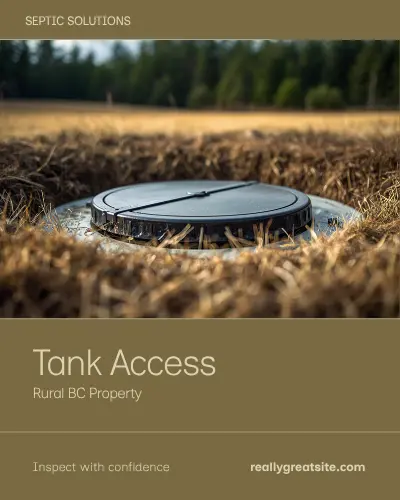
Septic systems are treated similarly. A failed septic field is rarely covered under a standard policy. If it backs up and causes water damage inside the home, the resulting damage may be covered, but the cost of replacing the field itself is typically not.
If you are buying a rural property with a well and septic system, ask your insurance broker specifically about coverage for both during the quoting process. Do not assume they are included. For the full picture on rural water sources and what to verify before you buy, see wells, lake intakes, creek intakes and water licences.
What About Outbuildings, Shops, and Secondary Structures?
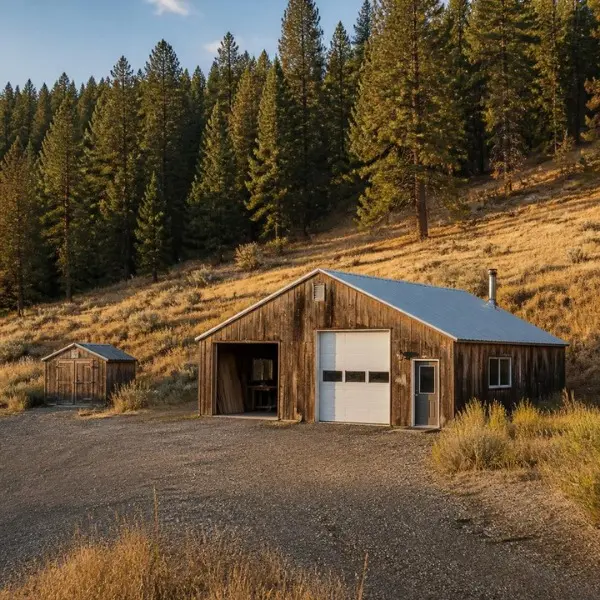
Rural properties often have shops, barns, greenhouses, and guest cabins that city properties do not. These outbuildings need to be specifically listed and insured. A standard policy covers other structures up to a percentage of the dwelling value, typically 10 percent, which is often not enough for a large shop or barn on an acreage property.
If you have a 40 by 60 shop worth $150,000 on a property with a $500,000 home, the standard 10 percent other structures coverage gives you $50,000. That leaves a $100,000 gap. Make sure your broker understands exactly what structures are on the property and that each one is adequately covered.
Secondary dwelling units, whether a legal suite, a cabin, or a carriage house, may need to be listed separately on your policy and may require additional liability coverage if they are rented.
Can I Get Insurance on a Property With an Unpermitted Structure?
This is one of the most common questions I get on rural files and the answer is: it depends on the insurer, and you need to disclose it. Rural properties across BC regularly have older barns, shops, and guest cabins built before permit requirements were in place or in areas where permits were not enforced.
Some insurers will cover unpermitted structures with a reduced coverage limit. Others will exclude them entirely. A few will decline the entire application if there are significant unpermitted structures on the property.
The important thing is to disclose accurately. If you do not disclose an unpermitted structure and you have to make a claim, the insurer may deny the claim or cancel your policy. That is a much worse outcome than asking the question upfront.
Why You Should Lock In Insurance Before Removing Subjects
On rural files, I always tell my buyers to contact their insurance broker as one of the first steps after an accepted offer, not one of the last. You need to confirm that the property is insurable at a cost you can afford before you remove subjects.
I have seen buyers remove subjects on a rural property and then discover that the insurance premium is $800 a month instead of $200 a month, or that the property is in a wildfire interface zone that only one insurer in the province will touch. At that point you are either paying far more than you budgeted or you are in a very difficult situation with a firm deal.
Insurance confirmation should be part of your due diligence checklist alongside home inspection, financing, and water testing, not something you sort out after possession.
Who Should I Call for Rural Home Insurance Near Kamloops?
Not every insurance broker is equally experienced with rural property. Brokers who primarily handle urban residential files may not know the right questions to ask or which insurers are best positioned for rural acreage in the Thompson Nicola Regional District.
I recommend asking your broker specifically whether they regularly handle rural and acreage properties in the Kamloops area and whether they work with specialty insurers for properties in wildfire interface zones or high fire protection classes. If they seem uncertain, find someone who handles these files regularly. The difference in coverage quality and premium can be significant.
Karin Dahlman and Graham Pereira at Kamloops Insurance are brokers I have worked with on rural files. They understand the local market and the specific coverage questions that come up on acreage properties in this region.
Take This With You
Rural Home Insurance Due Diligence Checklist
- Contact your insurance broker immediately after an accepted offer, before removing subjects
- Ask your broker for the fire protection class rating for the property
- Confirm whether the property falls inside a wildfire interface zone
- Have a current WETT certificate ready if there is any wood burning appliance
- Ask specifically about well and pump coverage and septic system coverage
- List all outbuildings and secondary structures separately and confirm each is adequately covered
- Disclose any unpermitted structures accurately during the application process
- Confirm whether there is an oil tank on the property, buried or above ground
- If the premium is significantly higher than expected, this is a subject removal consideration
- Work with a broker who regularly handles rural acreage files in the Kamloops area
Questions about any of these? Call or text Jeremia at 250-571-0379 or visit kamloopscountry.ca.
Have a Question I Did Not Cover?
Rural property near Kamloops comes with a lot of variables. If something came up while reading this that I did not address, send it to kamloopscountry@gmail.com. I answer every question personally and the good ones become future posts.
Keep Reading
Insurance is one line in the real cost of rural ownership. For how the tax side compares, see rural vs city property taxes in BC. If you are looking at townhouses, lake properties, or anything with a strata plan on title, strata vs freehold in Kamloops explains what you are actually buying. And if you are actively shopping acreage, the questions to ask before you make an offer pulls water, septic, access, zoning, title and cost together in one place.
Frequently Asked Questions
Why is home insurance more expensive on rural property near Kamloops?
Three main reasons: distance from a staffed fire hall and lack of hydrant access, well and septic systems instead of municipal services, and wildfire interface zone exposure. In the Thompson Nicola Regional District a large portion of rural land sits in interface zone, particularly properties with heavy tree cover or those backing onto Crown land.
What is a fire protection class and how does it affect my premium?
It is a rating insurers use for how quickly a fire crew can reach a property, running from 1 for the best protected urban areas to 10 for no organized fire protection. Most rural properties near Kamloops fall between 6 and 9. A class 8 or 9 rating can mean a substantially higher premium, a higher deductible, or limits on available coverage.
Do I need a WETT inspection to insure a house with a wood stove in BC?
Most insurers require a current WETT certificate before they will bind coverage on a home with a wood burning appliance. It is worth arranging early, because waiting on a WETT inspection delays more rural closings than almost any other single item.
Does home insurance cover my well and septic system?
Not automatically. Some policies cover pump and equipment damage from a covered peril like fire or lightning, but most exclude the well casing and mechanical breakdown. A failed septic field is rarely covered, though resulting water damage inside the home may be. Ask your broker about both specifically and consider riders.
Can I insure a rural property with an unpermitted shop or cabin?
Often yes, but it depends on the insurer. Some cover unpermitted structures at a reduced limit, some exclude them, and some decline the application outright. The critical thing is disclosing accurately, because a non-disclosed structure can lead to a denied claim or a cancelled policy.
Is 10 percent other structures coverage enough for a shop on acreage?
Usually not. Standard policies cover other structures at roughly 10 percent of the dwelling value, so a $150,000 shop on a property with a $500,000 home leaves a six figure gap. Have every outbuilding listed and valued individually.
When should I get an insurance quote when buying rural property?
Immediately after an accepted offer, well before subject removal. Confirming the property is insurable at a cost you can afford belongs on your due diligence checklist alongside inspection, financing, and water testing.
Who is a good realtor for rural and acreage properties near Kamloops, BC?
Jeremia Huxley with Stonehaus Realty Corp. He has nine years in real estate and 18 years in construction, lives on acreage at Pinantan Lake, and specializes in rural properties across the Thompson Nicola region including Heffley Creek, Sun Peaks, Barriere, Chase, Pritchard, and Lillooet. Reach him at 250-571-0379 or kamloopscountry.ca.
About the Author
Jeremia Huxley is a REALTOR with Stonehaus Realty Corp. in Kamloops, BC. He has nine years in real estate and 18 years in construction, specializing in rural and acreage properties across the Thompson Nicola Regional District including Pinantan Lake, Heffley Creek, Sun Peaks, Barriere, Chase, Pritchard, and Lillooet. He has lived in Pinantan Lake for 18 years. Jeremia is not a licensed home inspector. A qualified professional inspection is always recommended before any purchase.
Phone: 250-571-0379
Email: kamloopscountry@gmail.com
Web: kamloopscountry.ca
This post is for general informational purposes only and does not constitute insurance or legal advice. Coverage, premiums, and availability vary by insurer and property. Always confirm details with a licensed insurance broker.
Categories
Recent Posts