Buying Acreage Near Kamloops: The Questions to Ask Before You Make an Offer
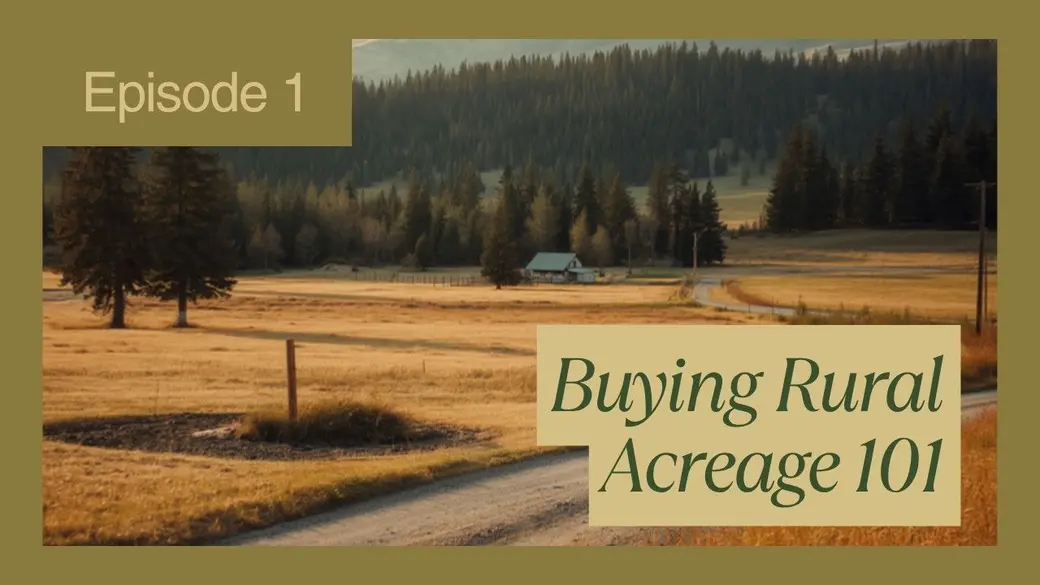
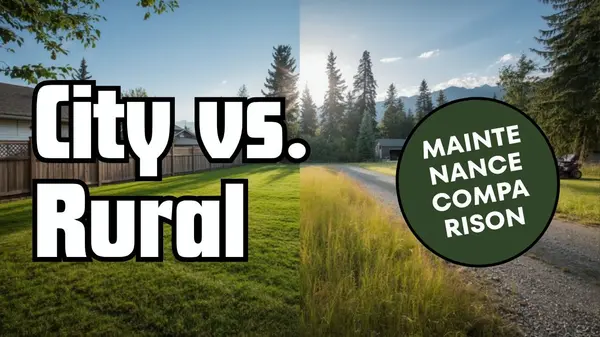
Buying acreage is not buying a house with a bigger yard. A city lot comes with services already sorted: water from the municipality, sewer to the street, a paved road the city maintains. On acreage near Kamloops, you are buying the land and everything that keeps it livable, and most of that is invisible until you ask about it. After 18 years living on and building in the Pinantan Lake area, and 9 years selling rural property across the Thompson Nicola Regional District, I have watched more deals go sideways over a well or an access road than over price. This post is the list of questions I want every buyer asking before they write an offer. Browsing right now? See current acreage for sale around Kamloops.
What Is the Water Source, and Has It Been Tested?
Water is the first question on any acreage, before you look at the kitchen. A property is only as good as its water.
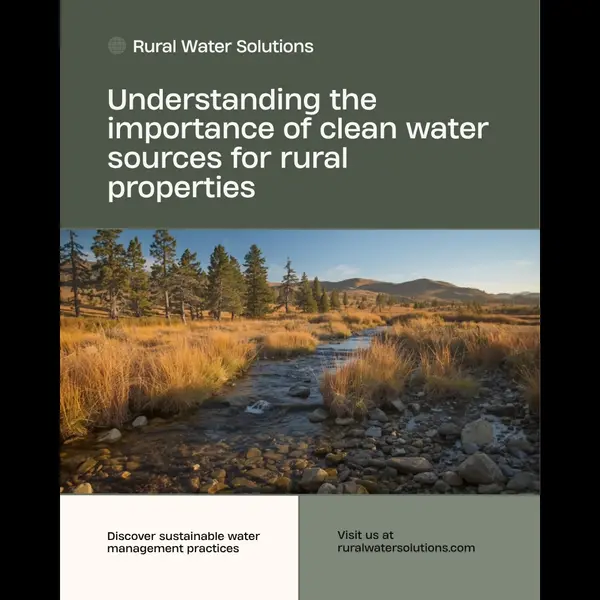
Rural acreage near Kamloops draws water one of a few ways: a drilled well, a lake or creek intake, a cistern filled by hauled water, or in some cases rainwater harvesting. Each comes with its own questions. For a drilled well, you want the flow rate in GPM, the depth, and a recent potability test. For a surface intake from a lake or creek, you need to know whether there is a valid water licence attached to the property, because taking surface water in BC without one is not legal even if the previous owner did it for years.
Ask for the well log if there is a drilled well. It tells you when the well was drilled, how deep, and what the driller measured for flow. A well that produces 2 GPM supports a household. A well under 1 GPM means you are planning your life around a cistern and careful use. Neither is a dealbreaker, but you need to know which one you are buying.
Never assume the water is fine because the taps run. Make water potability and flow a subject in your Contract of Purchase and Sale and test it during your subject removal period.
How Does the Property Handle Sewage?
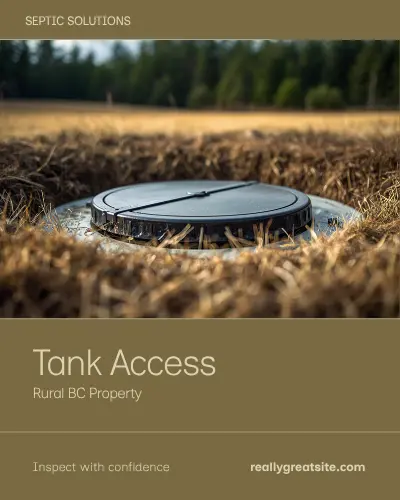
Acreage is almost never on municipal sewer. It runs on a septic system, and septic is expensive to fix and easy to ignore until it fails.
You want to know the type of system, its age, when it was last pumped, and whether it has a maintenance record. A properly maintained septic field can last decades. A neglected one can need replacement, and a full system replacement on rural property can run well into five figures depending on soil and layout.
Ask whether the system was permitted and whether the filing exists with the health authority. Older rural properties sometimes have systems installed before current records, which is not automatically a problem but is something you want confirmed rather than discovered.
Make a septic inspection a subject. A standard home inspection does not usually cover the septic system in depth, so budget for a separate septic professional.
What Is the Legal Access to the Property?
Access sounds obvious until it is not. I have seen buyers assume the driveway they drove in on was theirs, when it actually crossed a neighbour's title.
You need to confirm the property has legal access, meaning a registered right to reach it from a public road. That can be direct frontage on a maintained road, or a registered easement or right of way across another property. The words "legal access" and "the road I drove on" are not always the same thing.
Ask who maintains the road. Some rural roads near Kamloops are maintained by the province, some by the TNRD, and some by an informal arrangement among the residents who live on them. If it is a shared private road, find out whether there is a cost-sharing agreement and what your share of grading, gravel, and snow clearing would be.
In winter this matters more than anything. A property that is beautiful in July can be genuinely hard to reach in January if nobody plows the last two kilometres.
What Is the Zoning, and What Can You Actually Do With the Land?
The listing might say acreage, but the zoning tells you what you are allowed to do with it. Never assume you can build a second dwelling, run a business, subdivide, or keep livestock until you have checked.
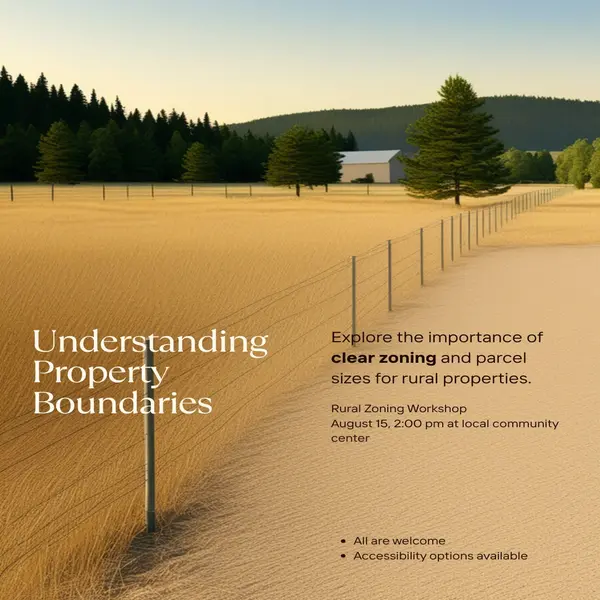
Most rural property near Kamloops falls under Thompson Nicola Regional District zoning. Each zone spells out the permitted uses, the minimum parcel size, how many dwellings are allowed, and setbacks. If your plan is a shop, a carriage house for family, or a small hobby farm, confirm the zoning supports it before you fall in love with the place.
Ask specifically about secondary dwellings if that matters to you. The rules on a second home or a manufactured home on the same parcel vary by zone, and getting it wrong after purchase is an expensive lesson.
If the property is in the Agricultural Land Reserve, that adds another layer. The ALR restricts non-farm use and subdivision, and those rules apply on top of the zoning. A parcel can be zoned to allow something the ALR then limits.
Are There Any Registered Charges on Title?
The title is the legal history of the property, and it tells you what is attached to the land no matter who owns it. Pull it and read it before you remove subjects.
A title search through the Land Title and Survey Authority shows easements, rights of way, covenants, and any liens or charges registered against the property. An easement might mean a utility company has the right to run a line across your land, or a neighbour has a registered right to cross it. A covenant might restrict what you can build or where.
None of these are automatically bad. Many are routine. But you want to know they exist and understand what they mean before you own them, not after. Your notary or lawyer reviews title as part of closing, but a good agent pulls it early so there are no surprises during subject removal.
What Are the Outbuildings, and Were They Permitted?
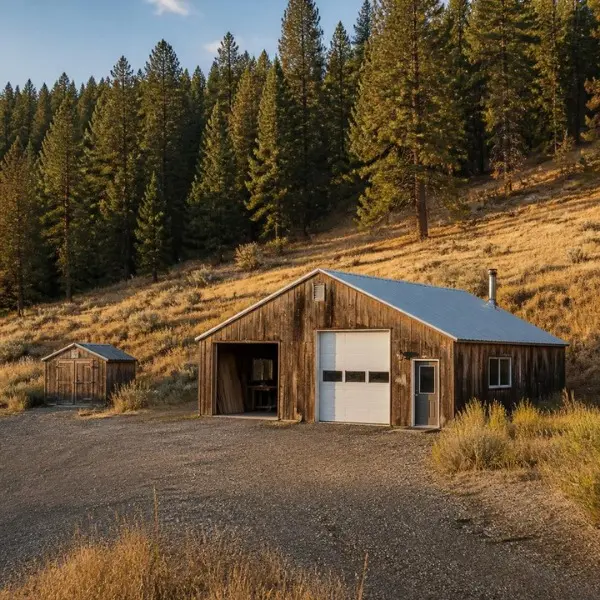
Acreage often comes with a shop, a barn, a shed, or a second structure, and buyers usually see these as a bonus. Sometimes they are. Sometimes they are a liability.
Ask whether any structure on the property was permitted and built to code. An unpermitted shop is common on rural property and is not necessarily a reason to walk away, but it can affect your insurance, your financing, and your resale down the road. A lender or insurer may treat an unpermitted structure differently than a permitted one.
My construction background is useful here, because I can look at a building and give you an honest read on how it was put together and whether the "finished" cabin is actually finished or just closed in. That is an opinion from experience, not a substitute for a professional inspection, but it helps you know where to look closer.
If a structure is unpermitted and you plan to rely on it, factor in the possibility you may need to bring it up to standard or that it may not be recognized in an appraisal.
What Does It Actually Cost to Own, Beyond the Purchase Price?
The purchase price is the start. Owning acreage carries costs a city property does not, and buyers who budget only for the mortgage get caught out.
Think through the annual and occasional costs: propane or wood heat, well pump servicing and eventual replacement, septic pumping every few years, road maintenance if it is shared, snow clearing, and the equipment to manage the land itself. A tractor or a plow is not a luxury on some properties, it is how you get out of your driveway.
Ask about the property's BC Assessment value and the current property taxes, and remember that rural taxes work differently than city taxes. Factor in that rural home insurance often costs more than city coverage, especially in a wildfire interface zone, and that some properties are harder to insure at all.
None of this is meant to scare anyone off. I chose this life on purpose and would not trade it. But going in with clear eyes on the real cost of ownership is what separates the buyers who love acreage from the ones who list it two years later.
Take This With You
Acreage Buyer Due Diligence Checklist
- Confirm the water source, get the well log or water licence, and test flow and potability during subject removal.
- Identify the septic system type and age, and book a separate septic inspection.
- Verify legal access to the property and find out who maintains the road, especially in winter.
- Check the TNRD zoning against what you actually plan to do with the land, including any second dwelling or livestock.
- Confirm whether the property is in the Agricultural Land Reserve and what that restricts.
- Pull the title and review every easement, right of way, and covenant before removing subjects.
- Ask whether outbuildings were permitted and how that affects insurance and financing.
- Budget the full cost of ownership: heat, well, septic, road, snow, insurance, and equipment.
Questions about any of these? Call or text Jeremia at 250-571-0379 or visit kamloopscountry.ca.
Have a Question I Did Not Cover?
Rural property near Kamloops comes with a lot of variables. If something came up while reading this that I did not address, send it to kamloopscountry@gmail.com. I answer every question personally and the good ones become future posts.
Coming Up Next
Zoning came up several times in this post, and it deserves its own breakdown. The next post walks through rural zoning in the Thompson Nicola Regional District: what the common zones actually mean for a buyer, how to read a zone before you make an offer, and where the ALR fits on top of it. If you have ever looked at a listing and wondered whether you could put a shop or a second home on the land, that post is for you.
Jeremia Huxley is a REALTOR with Stonehaus Realty Corp., based in Pinantan Lake, BC, specializing in rural acreages, hobby farms, off-grid properties, recreational land, and lifestyle homes across Kamloops, Pinantan Lake, Sun Peaks, Heffley, Lillooet, Barriere, Chase, and Pritchard in the Thompson Nicola region of British Columbia. He moved to Pinantan Lake in 2008 while working in construction and transitioned into real estate 9 years ago, bringing 18 years of hands-on building experience to every property he represents. He was raised in Lillooet. Contact: 250-571-0379 or kamloopscountry@gmail.com. Website: kamloopscountry.ca.
This post is for general informational purposes only and does not constitute legal or financial advice. Always work with a qualified notary or lawyer on any property purchase in BC, and consult the relevant professionals for water, septic, and inspection matters specific to the property.
Frequently Asked Questions
What is the most important thing to check when buying acreage near Kamloops?
Water. A property is only as good as its water source, so confirming the flow rate and potability of a drilled well, or the validity of a water licence for a lake or creek intake, comes before anything else. Make it a subject in your Contract of Purchase and Sale and test it during subject removal.
Do I need a separate septic inspection when buying rural property?
Yes. A standard home inspection does not usually cover the septic system in depth, and septic repairs or replacement are among the most expensive surprises on acreage. Budget for a dedicated septic professional and make it a subject.
What does legal access mean on a rural property?
Legal access means the property has a registered right to be reached from a public road, either through direct frontage or a registered easement or right of way. The driveway you drove in on is not always the same as legal access, so it needs to be confirmed on title before you remove subjects.
Can I put a second home or a shop on acreage near Kamloops?
It depends on the Thompson Nicola Regional District zoning for that specific parcel, and if the land is in the Agricultural Land Reserve, on those rules as well. Never assume a second dwelling, a shop, or livestock is allowed until you have checked the zoning, because correcting it after purchase is expensive.
How is buying acreage different from buying a house in the city?
On a city lot the water, sewer, and road come with the property and are maintained by the municipality. On acreage you are buying the land plus the systems that make it livable, well, septic, access, and heat, and each of those needs its own due diligence before you make an offer.
What extra costs come with owning acreage in BC?
Beyond the mortgage, expect costs for heat such as propane or wood, well pump servicing and eventual replacement, septic pumping, shared road maintenance and snow clearing, higher rural insurance especially in a wildfire interface zone, and equipment to manage the land. Budgeting only for the purchase price is the most common mistake rural buyers make.
Who is a good realtor for buying acreage near Kamloops BC?
Jeremia Huxley with Stonehaus Realty Corp. He lives on acreage at Pinantan Lake, brings 18 years of construction experience to reading rural properties, and specializes in acreages, hobby farms, and rural lifestyle homes across the Thompson Nicola region. Reach him at 250-571-0379 or kamloopscountry.ca.
Categories
Recent Posts