Off-Grid Property Near Kamloops: What to Check Before You Buy
By Jeremia Huxley, REALTOR, Stonehaus Realty Corp.
Published: November 2026 | Last updated: November 2026
Reading time: 8 minutes
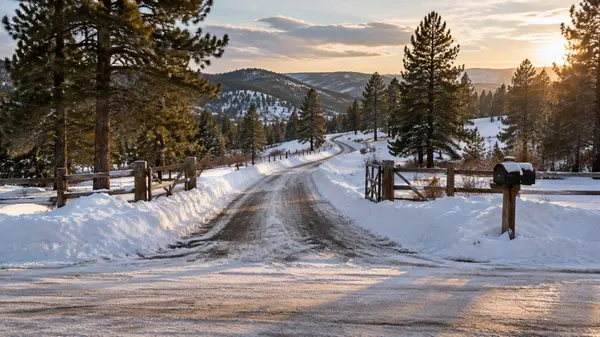
Off-grid property around Kamloops usually sits at the end of a long road, past where the power line stops. It can be a good way to live, but the house only works as well as the systems behind it: power, water, heat and the road in. I spent 18 years in construction before and alongside real estate, and those systems are what I look at first.
What Does Off-Grid Mean on a Rural Property Near Kamloops?
It usually means the property has no BC Hydro service. Power comes from solar panels and batteries, a generator, or both. Water comes from a well, a cistern, or a creek or lake under a water licence. Waste goes to a septic system, and heat comes from wood, propane or both.
Some properties are only partly off-grid. A cabin might have Hydro at the road but run its own water and septic, or have solar for the lights and a generator for the well pump. The listing word "off-grid" covers a wide range, so ask exactly what each system is.
Is It Cheaper to Stay Off-Grid or Bring in BC Hydro?
It depends on how far the nearest line is. Under BC Hydro's distribution extension policy, which changed on July 5, 2025, BC Hydro contributes up to $2,782 per dwelling toward a residential extension. The owner pays the rest as an extension fee, and on a long rural run that can be a large number.
If you are weighing an off-grid property against bringing power in, ask BC Hydro for an estimate early. Their invoices expire 90 days after the invoice date, so timing matters once you have one. My post on building on vacant land near Kamloops covers where the Hydro application fits in a build.
Figures from BC Hydro's distribution extension policy page. Confirm the current amounts with a BC Hydro design representative.
What Should You Check on the Power System?
Start with who installed it and whether it was permitted. Installing solar equipment needs an electrical permit in BC, issued by Technical Safety BC or, in some places, by the municipality. Ask the seller for the permit and the final inspection.
Then ask for the basics in writing:
- How old are the batteries, and what type are they?
- How big is the solar array, and what does it run in December?
- What size is the generator, how many hours are on it, and how often does it run in winter?
- Who services the system, and is there a manual or wiring diagram?
Batteries and inverters wear out on their own schedule. A system that runs fine in July can come up short in a cloudy January, so the winter answer matters more than the summer one.
How Do Water and Septic Work Off-Grid?
The same way they work on any rural property, without the backup of a town system. A well needs a flow test and a potability test, and a creek or lake intake needs a water licence that transfers to you. Pumps need power, so ask how the well pump is run and what happens when the batteries are low.
My posts on wells, intakes and water licences and septic systems on rural property cover what to check on each.
What About Heat?
Most off-grid homes near Kamloops heat with wood, propane or both. Insurers usually ask about a wood stove and may want a WETT inspection. Ask how much wood the house burns in a winter, where the propane tank sits and who fills it, and whether the road is passable for a propane truck. My post on rural home insurance covers what insurers look at.
Can You Get a Mortgage on an Off-Grid Property?
Sometimes, but not every lender will do it, and it is worth knowing before you write an offer. Lenders worry about resale, and there are often few comparable sales to support a value. A home that is fully winterized, lived in year round and reached by a year-round road is usually easier to finance than a seasonal cabin.
Talk to a mortgage broker who has financed rural property before you get attached to a place, and make your offer subject to financing. Who keeps the road open in winter matters to a lender too, which I covered in who plows the road on rural property.
Do You Still Need Permits Off-Grid?
Yes. Being off the power grid does not take a property out of the building permit system. The TNRD requires building permits for new construction in its electoral areas, and electrical work needs its own permit. Ask the seller for permits on the house and any outbuildings, and read my post on unpermitted structures if something was built without one.
Take This With You
Off-Grid Property Checklist
- Write down how the property gets power, water, waste and heat.
- Ask for the electrical permit and inspection on the solar or generator system.
- Get the age and type of the batteries, the array size and the generator hours.
- Ask what the system runs in December, not July.
- Order a flow test and a potability test on the well, or confirm the water licence.
- Check the wood stove and ask about a WETT inspection.
- Talk to a mortgage broker before you offer, and include a financing subject.
- If Hydro might come later, ask BC Hydro for an extension estimate.
Questions about any of these? Call or text Jeremia at 250-571-0379 or visit kamloopscountry.ca.
Have a Question I Did Not Cover?
Rural property near Kamloops comes with a lot of variables. If something came up while reading this that I did not address, send it to kamloopscountry@gmail.com. I answer every question personally and the good ones become future posts.
What Comes Next: Selling Rural Property Near Kamloops
Most of this series has been for buyers. Next I turn it around for sellers: how selling an acreage differs from selling a city house, which documents buyers will ask for, and why getting them ready before you list saves time in the subject period. Until then, the 12 checks before subject removal show what buyers will be looking at.
Related guides: Questions to ask before buying acreage, Land for sale near Kamloops, Rural real estate glossary.
Frequently Asked Questions
Does an off-grid solar system need a permit in BC?
Yes. Installing solar equipment needs an electrical permit, issued by Technical Safety BC or, in some places, by the municipality. Ask the seller for the permit and the final inspection.
How much does BC Hydro pay toward bringing power to a rural home?
Under the policy that took effect July 5, 2025, BC Hydro contributes up to $2,782 per dwelling toward a residential extension, and the owner pays the rest as an extension fee. Confirm current figures and get an estimate from BC Hydro.
Can I get a mortgage on an off-grid home near Kamloops?
Sometimes. Some lenders will not finance off-grid homes, and the ones that do usually want a winterized home with year-round road access. Talk to a mortgage broker before you write an offer.
Do I need a building permit to build off-grid in the TNRD?
Yes. The TNRD requires a building permit for new construction in its electoral areas whether or not the property connects to BC Hydro.
What is the most important question to ask about an off-grid system?
Ask what it runs in December. Short days and cloud cut solar output, so the winter answer, including generator hours, tells you more than a summer visit.
Who is a good realtor for off-grid property near Kamloops BC?
Jeremia Huxley with Stonehaus Realty Corp. focuses on rural, acreage and off-grid properties around Kamloops and has 18 years of construction experience alongside 9 years in real estate. He looks at power, water, heat and access before you write an offer. Contact him at 250-571-0379 or kamloopscountry.ca.
Jeremia Huxley is a REALTOR® with Stonehaus Realty Corp., based in Pinantan Lake, BC, who focuses on rural acreages, hobby farms, off-grid properties, recreational land and lifestyle homes across Kamloops, Pinantan Lake, Sun Peaks, Heffley, Lillooet, Barriere, Chase and Pritchard in the Thompson Nicola region of British Columbia. He has 18 years of construction experience and 9 years in real estate, and the two have overlapped for most of that time. He moved to Pinantan Lake in 2008 and was raised in Lillooet. Contact: 250-571-0379 or kamloopscountry@gmail.com. Website: kamloopscountry.ca.
Jeremia is not a licensed home inspector or electrician, and this post is general information only, not financial or legal advice. Confirm permit, power and financing requirements for your property with Technical Safety BC or your municipality, BC Hydro, the TNRD and a mortgage professional.
Recent Posts